Ecotourism in Villa de Leyva: A Guide to Trails, Lakes and Waterfalls
Published · 6 min read
The Iguaque Sanctuary, the Muisca sacred lake, the birds’ trail, the La Periquera waterfalls and the Cueva de la Fábrica: how to visit them in 2026.
Villa de Leyva is known for its Plaza Mayor and cobbled streets, but a few kilometres away a different trip begins: páramo moorland with frailejones, a lake sacred to the Muisca, Andean forest full of birds, waterfalls among oaks and caves carved by an underground river. This guide brings together the places for ecotourism in Villa de Leyva, how to book them in 2026 and how to visit while caring for what you came to see.

What is ecotourism, and why Villa de Leyva?
Ecotourism means travelling to experience nature in small groups, with guides who explain it and rules that protect it. Villa de Leyva has it on its doorstep: the Iguaque Flora and Fauna Sanctuary, a protected area run by Colombia’s National Parks, is in the same municipality, and around the town there are waterfalls, caves and country trails you can do in half a day.
Iguaque Flora and Fauna Sanctuary
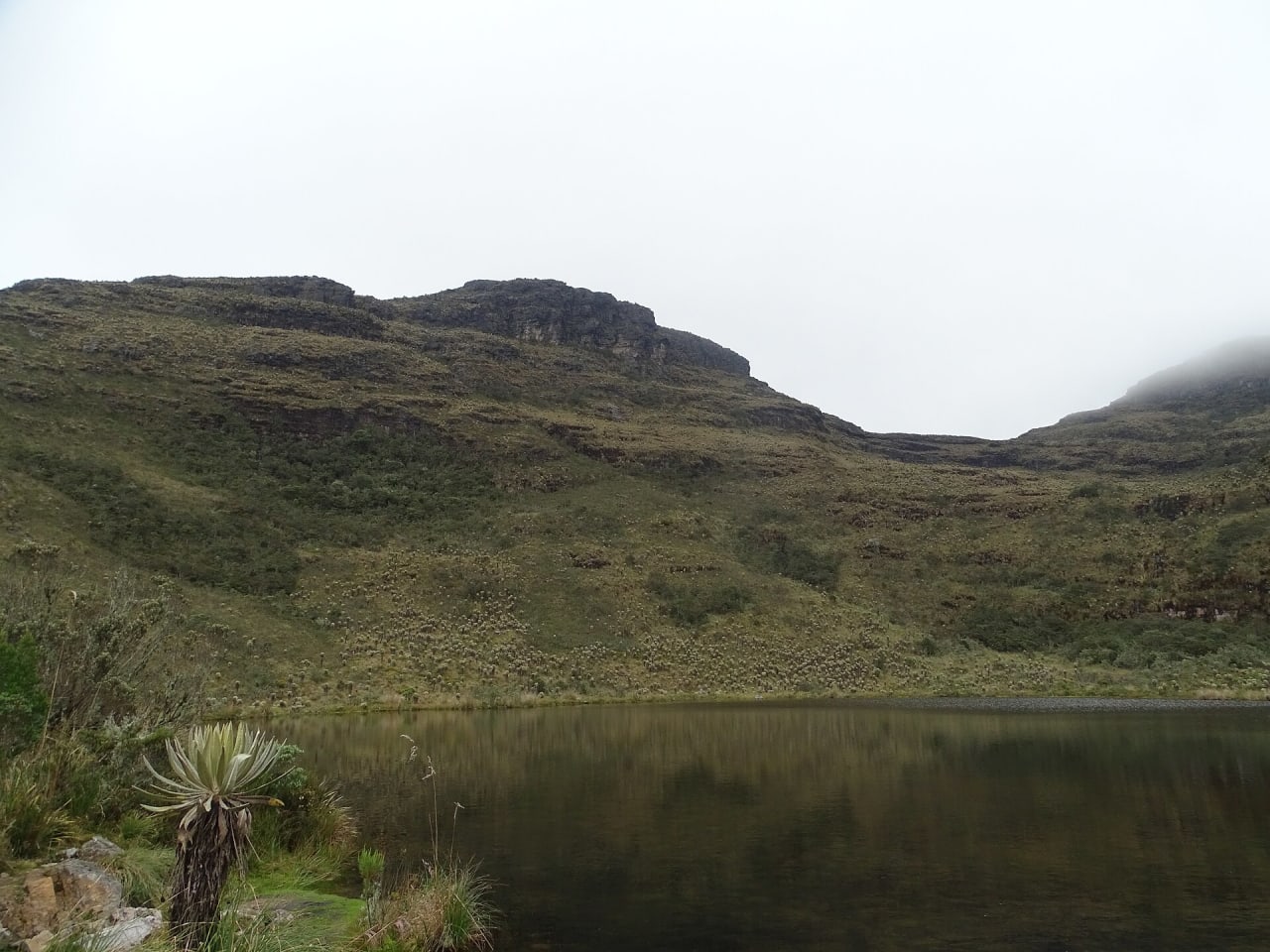
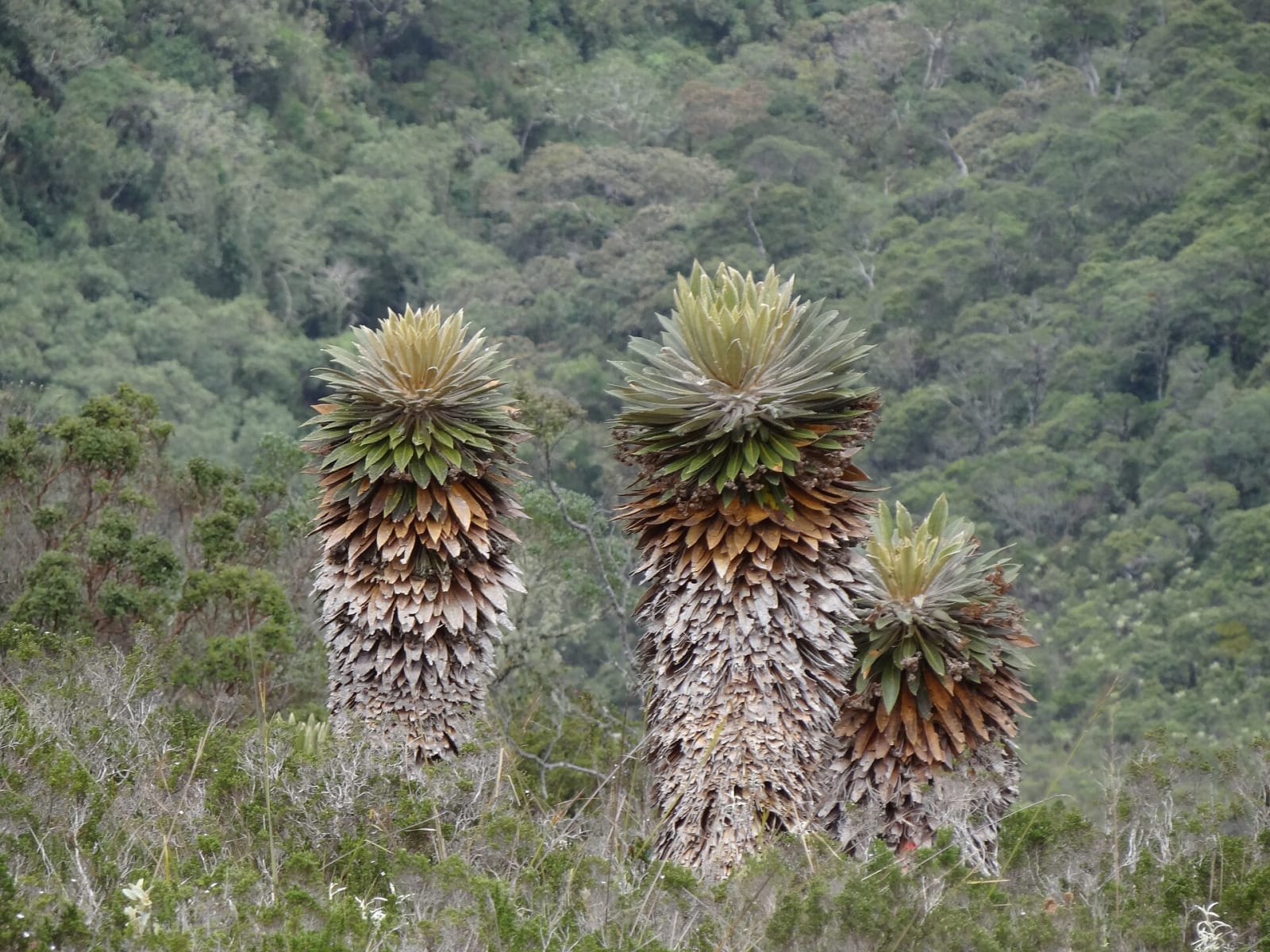
Protected since 1977, the sanctuary covers 6,889 hectares between Chíquiza, Arcabuco and Villa de Leyva, with páramo, high Andean forest and glacial lakes. According to Colombia’s National Parks, it is home to more than 170 bird species, including 19 hummingbirds, the Andean guan and the black-chested buzzard-eagle; nine species of frailejón, two of them threatened, such as the Tunja frailejón, found only in the Eastern Andes; and mammals such as the white-tailed deer and the oncilla. In 2023 an orchid, Lepanthes bachue, was described that is known only from the sanctuary and Villa de Leyva.
For the Muisca, Bachué rose from Iguaque lake, a woman holding a child, who peopled the earth and in the end returned to the lake as a serpent. That is why the lake is admired from a distance: it is not touched and no offerings are left.
Bachué trail: to the sacred lake
The most demanding route: 4.7 km one way from the Carrizal visitor centre, from 2,846 to 3,640 metres above sea level, about 6 hours there and back. Entry is only between 8:00 and 10:00 a.m., for up to 83 people a day. National Parks advises against it in pregnancy, with heart or breathing conditions, reduced mobility or at very young or old ages. See the Iguaque sacred lake hike.
Ie Sué trail: the birds’ path
Shorter and gentler: 1.88 km, moderate, about 2 hours 30 minutes through Andean forest, with a bridge over the Carrizal stream and a viewpoint. Entry is from 8:00 a.m. to 2:00 p.m., for up to 50 people a day. It is the best way to see birds without climbing to the páramo. See the Ie Sué trail.

Visiting Iguaque in 2026
The sanctuary was closed from 26 September to 31 October 2026 (National Parks resolutions 450 and 480) and has been open since. National Parks also notes that fires have affected part of the landscape and that its ecosystems are recovering. To enter, National Parks requires you to:
- Book ahead and confirm there is space.
- Go with an authorised guide or interpreter.
- Have accident insurance.
- Register on arrival and attend the induction talk.
Pets, alcohol, cigarettes and fires are not allowed, and there is no phone signal. Our hikes include an authorised guide and transport from Villa de Leyva; each page says what else is included. Before you travel, check the sanctuary’s status on the National Parks page.
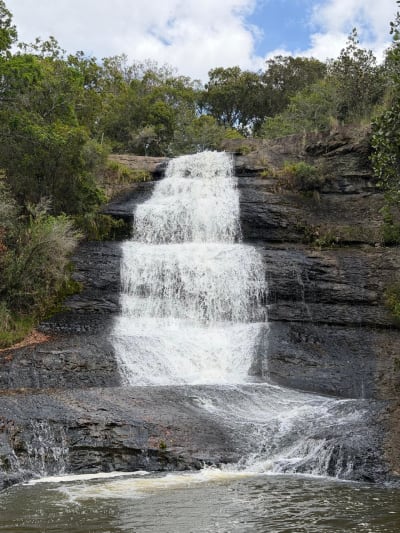
La Periquera waterfalls
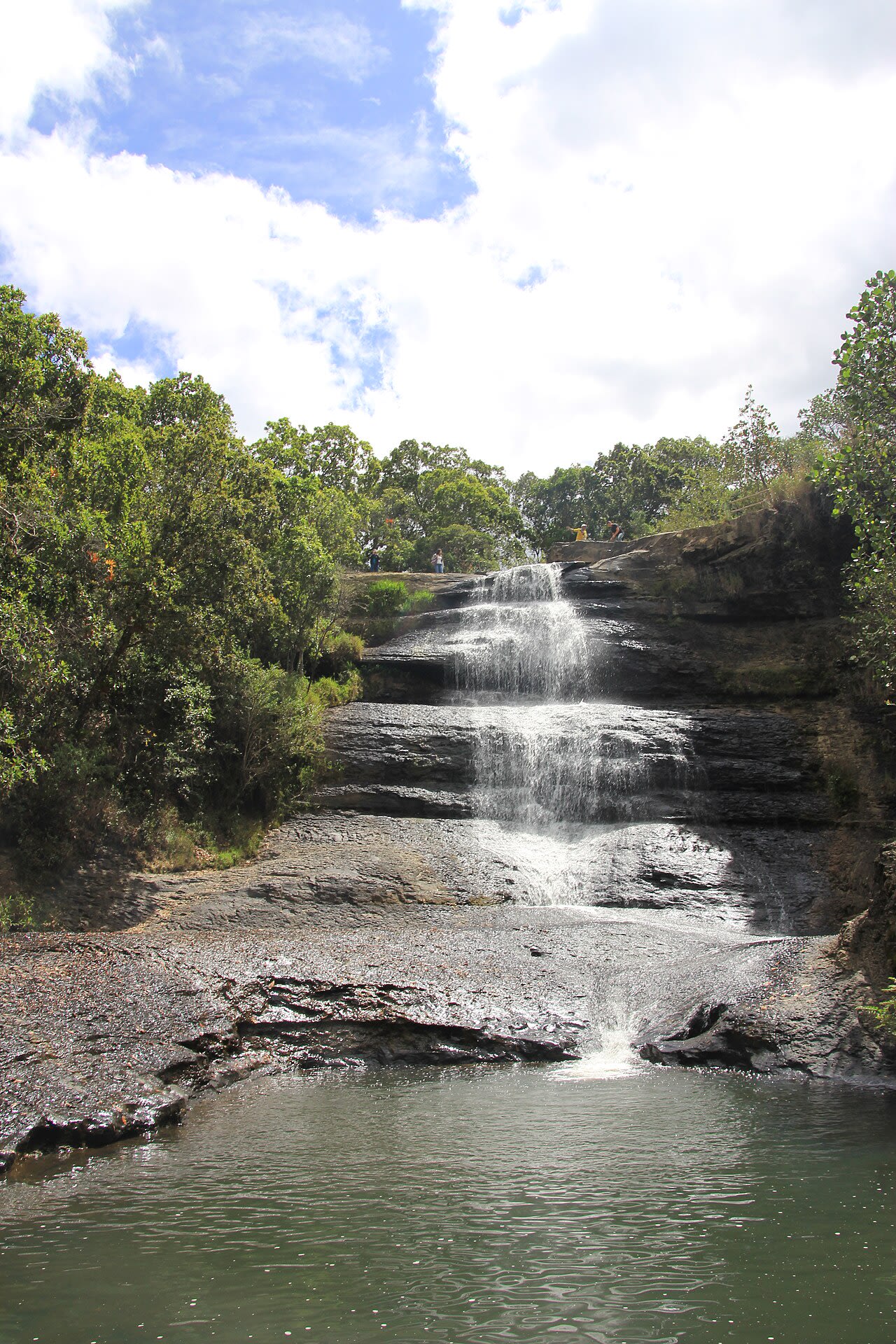
An easy guided hike of about 3.5 km there and back, through native oak forest to a chain of waterfalls between Villa de Leyva and Gachantivá, whose main drop reaches 18 metres. A good choice if you travel with children or want nature without an early start for the páramo. See the La Periquera hike.
Cueva de la Fábrica
A natural cave formed by an underground river and considered a former Muisca temple, explored with a guide and the equipment included in the tour. Bats live inside: they are watched without being disturbed. For more of a thrill, you can also go down into it by rappel. See cave exploring at the Cueva de la Fábrica.
Pozos Azules
A few kilometres from town, in Villa de Leyva’s dry landscape, there are pools of blue-green water. They are not natural: they are man-made pools that took on that colour from the salts and minerals in the soil, and make a good short outing for the contrast with the desert.

Tips for responsible ecotourism
- Always go with a guide in protected areas: they know the trail, the species and the rules.
- Take all your rubbish back with you, organic waste included.
- Do not pick plants, stones or animals, and do not feed wildlife.
- Stay on the trail: the páramo recovers very slowly from footsteps.
- Wear boots with good grip: the trails get slippery in the rain.
- Bring layers, a rain jacket, sunscreen and water: on the páramo the weather changes fast.
Getting there
Villa de Leyva is about 165 km from Bogotá. The hikes leave from town with transport included; to get here from Bogotá or the airport you can book a private transfer. Want a nature plan for several days? Message us on WhatsApp.
Frequently asked questions
Is the Iguaque Sanctuary open?
Yes. It reopened on 31 October 2026 after a temporary closure. Check its status on the National Parks page before you travel.
Do I need a guide to visit Iguaque lake?
Yes. National Parks requires an authorised guide or interpreter, a booking, accident insurance and the induction talk.
Which trail is best for birdwatching?
The Ie Sué trail, through Andean forest, about 2 hours 30 minutes. More than 170 bird species have been recorded in the sanctuary.
Which nature outing works with children?
The La Periquera waterfalls hike: it is easy and short. The Bachué trail is not recommended for young children.
What should I bring for a páramo hike?
Boots with good grip, a rain jacket, warm layers, sunscreen, water and some food. There is no phone signal.
Sources: Colombia’s National Parks, Iguaque Flora and Fauna Sanctuary page and bulletins of 26 September and 31 October 2026. Photos: Aron Prieto, Wikimedia Commons, CC BY-SA 4.0; Petruss, Wikimedia Commons, CC BY 3.0; Petruss, Wikimedia Commons, public domain; diego_cue, Wikimedia Commons, CC BY-SA 3.0; Foturcolombia, Wikimedia Commons, CC BY 3.0.